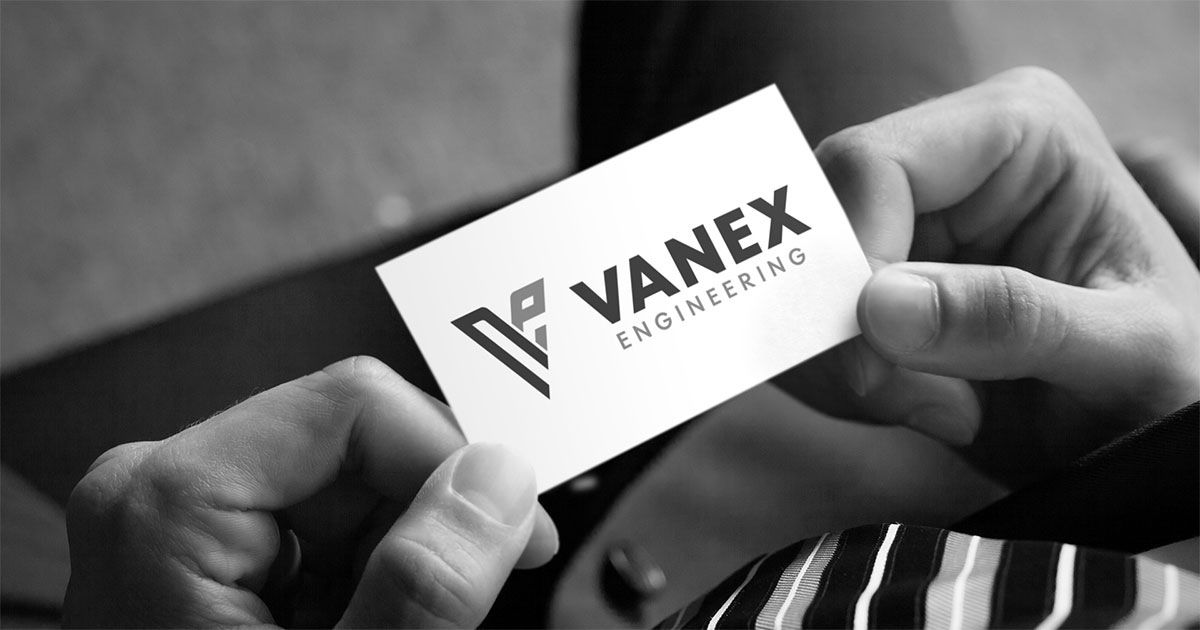
When we refined the Vanex Engineering logo, the improvement didn’t come from adding some clever visual metaphor meant to make people feel smart for decoding it. It came from taking something out that no longer earned its place… and flipping what remained so it formed an ‘e’ for Engineering, instead of fighting itself as a backward ‘p’.
The mark wasn’t wrong before, but we made it more honest. Once those shifts happened, the structure relaxed. What remained felt steadier, calmer, and more aligned with how the company operates.
Nothing new was added. Everything got clearer.
Most people try to improve by adding more ideas, more explanation, or more layers to prove they’ve thought it through. We’re terrified that simplicity will be mistaken for laziness, so we pile on until effort becomes undeniable.
Refinement asks a harder question:
What can be removed without weakening the core?
In branding, that means fewer visual moves.
In business, fewer offers or explanations for why you’re doing what you’re doing.
In leadership, fewer words (the hardest one for most of us).
Refinement isn’t about going full monk-mode with your brand aesthetic. It’s about alignment. It’s choosing to stop compensating for uncertainty with volume.
That’s why refinement often feels calm instead of impressive. It doesn’t rush to be noticed or need to convince. The result breathes easier.
The most telling shifts are usually the smallest ones: the line that disappears, the option that gets cut, the explanation you no longer feel the need to give.